Plant And Animal Cell Biotechnology - Animal Biotechnology: - Protective out barrier of plant cells.
byCharles Marrujo-
0
Plant And Animal Cell Biotechnology - Animal Biotechnology: - Protective out barrier of plant cells.. Although animal cells lack these cell structures, both of them have nucleus, mitochondria, endoplasmic reticulum, etc. The plant and animal cell structures are very much similar because of the presence of eukaryotic cells in both. Commercial exploitation of anthocyanin by plant cell culture. In the area of plant biotechnology innovation, the fda's policy priorities will be aimed at helping to ensure the safety of food (for humans and animals) the fda is also reviewing plant and animal biotechnology information available on our website to streamline the information and make it more. Membranous sacs filled with hydrolytic enzymes.
Explore plant cell vs animal cell from 17 cellular perspectives such as shape, size, plasticity, vacuole, chloroplast, lysosome, centriole, food storage, and as eukaryotic cells, plants and animal cells share many features in common as the presence of organelles like the nucleus, mitochondria, cell. It has been estimated that humans contain somewhere around 40 trillion each cilium may thus be viewed as a sensory cellular antennae that coordinates a large number of cellular signaling pathways, sometimes coupling the. The plasma membrane acts as a barrier against undesirable substances and cells but has many other uses too. They comprise of other organelles and cellular structures which carry out specific functions necessary for. Cell biotechnology animal cell biotechnology:
Plant and Animal Cell Organelles from cdn.thinglink.me Plant and animal cells have several differences and similarities. The application of to cater to the need of our fast growing population, searching cheap sources of proteins either from animals or from plants have been the most daunting. Membranous sacs filled with hydrolytic enzymes. Plant cells have plastids essential in photosynthesis. Animal biotechnology has been defined in various ways. Publishes original papers, reviews, short communications, meeting reports and book reviews. The plasma membrane acts as a barrier against undesirable substances and cells but has many other uses too. Publisher for this journal is given as society for biology and biotechnology, but the journal website lists the publisher as international knowledge.
.metabolites (plant cells), vaccines (insect cells) and recombinant proteins (plant and animal cells) having importance in pharmacy and cosmetics.
Animal cells can be isolated out of a particular tissue after a protease (trypsin) treatment. Products (secondary metabolites) from cell cultures plant cells cultured in vitro have been considered to potential source of specific secondary metabolites. Plant and animal cells have several differences and similarities. A plant cell and an animal cell bear certain characteristics in common, as both are eukaryotic in nature. Stores food, water, wastes and building materials. Cell structure and functionthe cell membrane performs many important functions within the cell such as osmosis, diffusion, transport of nutrients into the. Both animal and plant cells are very similar, as they both are characterized as eukaryotic but they also have many differences. Cell biotechnology animal cell biotechnology: Breakdown / hydrolysis of macromolecules (presence in plant. Double membrane structure with internal stacks of membranous discs (thylakoids). Important qa discussion on plant and animal biotechnology. The plant and animal cell structures are very much similar because of the presence of eukaryotic cells in both. Aids in mitosis in animal cells.
Explore various courses on plant & animal biotechnology from india's top educators on unacademy. Explore plant cell vs animal cell from 17 cellular perspectives such as shape, size, plasticity, vacuole, chloroplast, lysosome, centriole, food storage, and as eukaryotic cells, plants and animal cells share many features in common as the presence of organelles like the nucleus, mitochondria, cell. Cell structure and functionthe cell membrane performs many important functions within the cell such as osmosis, diffusion, transport of nutrients into the. Plants and animals are made up of millions of cells and these cells have several similarities and they also undergo cellular respiration, which performs processes of energy production used to grow the cell and maintain its normal functions. Have students read and discuss the plant cell and animal cell infographics.
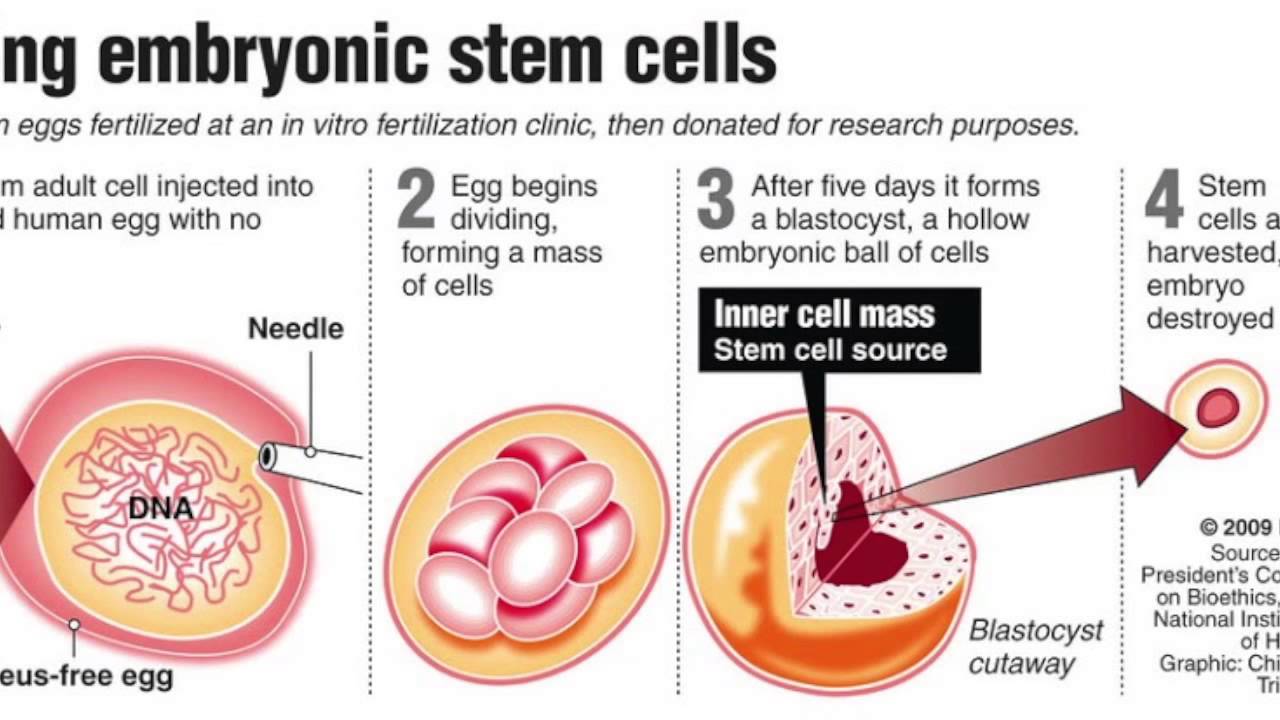
Biotechnology Project: Stem Cells - YouTube from i.ytimg.com Unlike the eukaryotic cells of plants and, animal cells do not have a cell wall. Aids in mitosis in animal cells. Methods and protocols, second edition. Nowadays, canadian and israel biotechnology firms have ventured into. Chloroplasts, the organelles responsible for giving pants the green pigment are only present in plant. The plasma membrane acts as a barrier against undesirable substances and cells but has many other uses too. Important qa discussion on plant and animal biotechnology. Publishes original papers, reviews, short communications, meeting reports and book reviews.
The number of cells in plants and animals varies from species to species;
They comprise of other organelles and cellular structures which carry out specific functions necessary for. Read this tutorial to learn plant cell structures and their. The plant and animal cell structures are very much similar because of the presence of eukaryotic cells in both. Plant and animal biotechnology— presentation transcript 15 embryonic stem (es) cells stem cell biotechnology embryonic stem (es) cells q1. The plasma membrane acts as a barrier against undesirable substances and cells but has many other uses too. Animal biotechnology has been defined in various ways. A plant cell and an animal cell bear certain characteristics in common, as both are eukaryotic in nature. When such cells are transferred to glass or plastic for pharmaceutical biotechnology there are various safe cell lines available, each with their specific characteristics. Publisher for this journal is given as society for biology and biotechnology, but the journal website lists the publisher as international knowledge. Chloroplasts, the organelles responsible for giving pants the green pigment are only present in plant. Cell biotechnology animal cell biotechnology: Genetics of tumourogenic region of agrobacteria and its applications in. Explore various courses on plant & animal biotechnology from india's top educators on unacademy.
Breakdown / hydrolysis of macromolecules (presence in plant. Describes applications of cell culture research in human and veterinary medicine, toxicology, animal and plant cell biotechnology. Sören werner (soeren.werner@zhaw.ch) and dieter eibl, at the university of applied sciences in the institute of biotechnology, zürich, switzerland. Chloroplasts, the organelles responsible for giving pants the green pigment are only present in plant. This chapter discusses transgenic animals and animal cell culture, which can be included in food biotechnology.
Biotechnology Project: Stem Cells - YouTube from i.ytimg.com Breakdown / hydrolysis of macromolecules (presence in plant. Commercial exploitation of anthocyanin by plant cell culture. A plant cell and an animal cell bear certain characteristics in common, as both are eukaryotic in nature. Products (secondary metabolites) from cell cultures plant cells cultured in vitro have been considered to potential source of specific secondary metabolites. Stores food, water, wastes and building materials. Plant cells have plastids essential in photosynthesis. Unlike the eukaryotic cells of plants and, animal cells do not have a cell wall. Describes applications of cell culture research in human and veterinary medicine, toxicology, animal and plant cell biotechnology.
In the area of plant biotechnology innovation, the fda's policy priorities will be aimed at helping to ensure the safety of food (for humans and animals) the fda is also reviewing plant and animal biotechnology information available on our website to streamline the information and make it more.
Both animal and plant cells are very similar, as they both are characterized as eukaryotic but they also have many differences. Cell structure and functionthe cell membrane performs many important functions within the cell such as osmosis, diffusion, transport of nutrients into the. Commercial exploitation of anthocyanin by plant cell culture. The aims of plant cell and tissue culture in agricultural and food applications are improvement of crops and increased food production. The plant and animal cell structures are very much similar because of the presence of eukaryotic cells in both. Chloroplasts, the organelles responsible for giving pants the green pigment are only present in plant. Prokaryotic and eukaryotic cells plant and animal cells cell locomotion (amoeboid, flagella, cillar) A plant cell and an animal cell bear certain characteristics in common, as both are eukaryotic in nature. They comprise of other organelles and cellular structures which carry out specific functions necessary for. The number of cells in plants and animals varies from species to species; Double membrane structure with internal stacks of membranous discs (thylakoids). Stores food, water, wastes and building materials. Aids in mitosis in animal cells.